Tailored Suits That Match Your High-Performance Coupe
Lesezeit: 16 Minuten
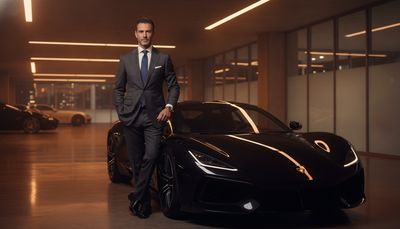
I pulled up to Cipriani Downtown in Manhattan last month in my Porsche 911 GT3 RS, and the valet gave me a nod before I even handed him the key. The tailored suits I wear earn the same silent recognition. Both represent precision engineering, both demand patience to get right, and both speak volumes before you say a word.
The connection between bespoke menswear and high-performance coupes runs deeper than shared price tags. I learned this during my first visit to Caraceni in Milan, where the 94-year-old tailor took 18 body measurements, the same attention to detail Porsche engineers apply when calibrating the GT3's suspension geometry. Your wardrobe and your garage should reflect identical standards of craftsmanship, materials, and uncompromising fit.
Why Tailored Suits Matter as Much as Your Engine Specification
Generic off-the-rack clothing betrays you the moment you step out of a 911 Turbo S. I watched this play out at the Ferrari Cavalcade in Tuscany, where a collector arrived in a pristine F8 Tributo wearing a poorly fitted blazer with sleeve pitch so wrong his shoulders looked narrower than mine. The car screamed precision, his suit whispered neglect.
Custom clothing serves the same purpose as your coupe's bespoke configuration. When I ordered my last suit from Anderson & Sheppard on Savile Row, I specified Loro Piana's Storm System wool, priced at 950 pounds per meter, because it handles London's unpredictable weather without wrinkling. That same decisiveness guides my choice of carbon-ceramic brakes over standard steel on every performance car I order.
The parallel extends to longevity. A properly constructed suit from Huntsman, starting at 6,500 pounds, will outlast ten fast-fashion jackets, just as a meticulously maintained Porsche retains 68% of its value after three years according to JD Power's 2024 residual value study. Both investments reward patience and proper care.
Italian Fabrics Mirror Supercar Engineering Philosophy
The fabric mills in Biella, Italy produce materials with the same obsessive refinement as Maranello's V12 engines. Vitale Barberis Canonico, operating since 1663, sources Merino wool from Australian farms at altitudes above 1,200 meters, where temperature swings create fiber with superior crimp and resilience. This specificity matches Ferrari's insistence on aluminum from Rio Tinto's Boyne Island smelter for engine blocks.
I choose Super 150s wool for my daily suits, the sweet spot between durability and drape, just as I prefer naturally aspirated engines over turbocharged variants for feedback and linearity. The higher Super numbers, 180s and beyond, feel incredible but show wear faster, similar to how semi-slick tires deliver grip at the cost of tread life.
Silk linings from Como add another layer of parallel. When Brioni lines a jacket with hand-rolled Etro silk at 285 euros per meter, they're applying the same philosophy Lamborghini uses when upholstering the Aventador's cabin in Nappa leather from Poltrona Frau. The hidden details matter because they affect how the finished product performs under stress.
Matching Suit Weight to Driving Conditions
Seasonal fabric weights require the same consideration as tire compounds. My 260-gram tropical wool suits handle Miami humidity during Art Basel week without collapsing, while 340-gram flannel performs better when I drive through Aspen in February. Most men ignore this variable, then wonder why they sweat through presentations or shiver at outdoor events.
Linen blends offer the breathability of an open-top roadster but wrinkle aggressively. I reserve them for casual summer drives in the 718 Spyder, never for business meetings. Pure worsted wool maintains structure like a coupe's rigid chassis, making it my default choice year-round.
The Fitting Process Parallels Performance Tuning
A proper bespoke fitting requires four to six sessions over eight weeks, matching the time commitment of a comprehensive suspension setup on a track-focused coupe. During my second fitting at Rubinacci in Naples, the tailor adjusted shoulder padding by 3 millimeters after watching me reach for a door handle. That granular attention mirrors how I spent 40 minutes at Pikes Peak dialing shock compression damping in two-click increments.
The jacket's armscye, the armhole opening, determines mobility as directly as steering ratio affects turn-in response. Cut too low and your arms hang awkwardly, too high and the fabric bunches when you grip a steering wheel. My tailor at Cifonelli in Paris creates armscyes that allow me to shift my 911's manual transmission without fabric pulling across my back.
Trouser break, the amount of fabric resting on your shoe, requires equal precision. I specify a quarter break, where the front crease just touches the leather, preventing the sloppy stacking I see on men who clearly never consulted a proper tailor. This detail becomes visible when you exit your vehicle, the moment when people form first impressions.
Color Palettes Should Echo Your Coupe's Personality
My Guards Red 911 GT3 demands different wardrobe choices than a Chalk-colored Cayman GT4. The aggressive red works with charcoal and navy suits, creating contrast that reinforces both elements. When I wear my midnight blue three-piece from Cesare Attolini and park the GT3 at Nobu Malibu, the color relationship feels intentional rather than accidental.
Neutral coupes, Porsche's Agate Grey or McLaren's Silica White, pair with broader wardrobe flexibility. I can wear earth tones, lighter grays, even subtle patterns without creating visual discord. This strategic approach to color coordination separates deliberate style from random accumulation, just as matching your watch to your supercar requires understanding how metal finishes and dial colors interact.
Pinstripes and checks introduce texture similar to a vehicle's aerodynamic surfacing. A subtle 5-millimeter chalk stripe on charcoal wool adds visual interest without loudness, paralleling the understated ducktail spoiler on a 911 Carrera S. Bold windowpane patterns work only when your car's design remains restrained, the same principle that prevents me from wearing loud ties with my Miami Blue Cayman.
Seasonal Transitions Require Strategic Planning
I rotate my wardrobe based on weather and driving conditions, maintaining six core suits that cover every scenario from Monterey Car Week to winter meetings in Chicago. Transitional fabrics like 300-gram fresco wool handle temperature swings between air-conditioned interiors and summer heat, functioning like my 911's climate control system that maintains 72 degrees regardless of external conditions.
Construction Details That Reveal True Quality
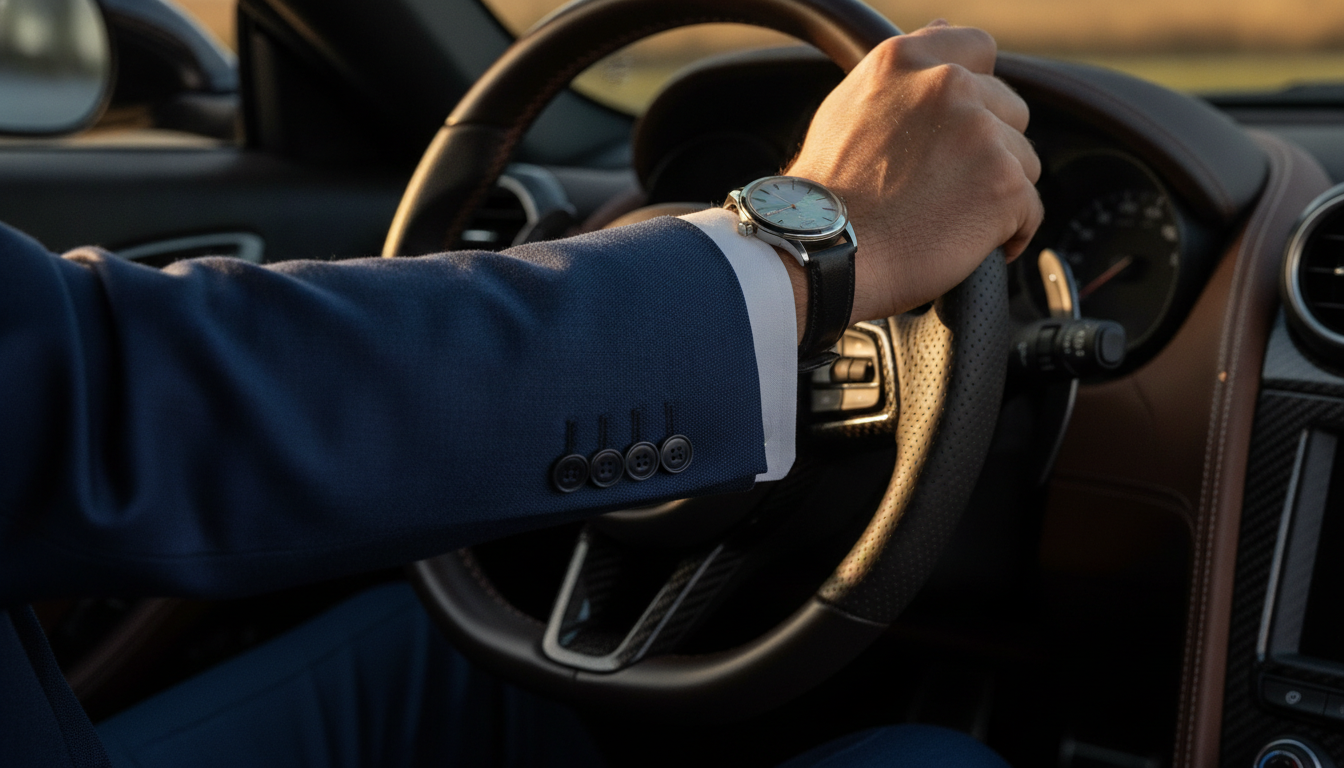
Hand-stitched buttonholes take 20 minutes each to execute properly, creating a slight roping effect visible only up close. This detail, called a fiorentine, signals bespoke construction as clearly as center-lock wheels identify a track-focused Porsche. Mass-produced suits skip this step because machines cannot replicate the tension and stitch density a skilled tailor achieves by hand.
Floating canvas construction, where the interlining moves independently from the shell fabric, allows the jacket to conform to your body over time. I've worn my oldest Huntsman suit for seven years, and it now fits better than during the final fitting because the canvas has molded to my frame. This break-in period mirrors how a sports car's suspension bushings settle after 500 miles, improving compliance and response.
Pick stitching along lapel edges serves both aesthetic and structural functions. The visible thread line, executed with 8 to 10 stitches per inch, prevents the edge from curling while adding subtle detail that catches light. Most men miss this element entirely, but making an entrance in iconic automobiles means every detail faces scrutiny.
Working with a Tailor Mirrors Ordering a Spec Car
My relationship with my Savile Row tailor spans twelve years, built on the same communication and trust required when specifying a 911 GT3 RS. I provide feedback after wearing each suit, noting pressure points or movement restrictions, allowing him to refine future garments. This iterative process produces progressively better results, just as each track day improves my understanding of suspension tuning.
Budget transparency matters equally in both domains. A proper bespoke suit starts at 4,800 pounds in London, 5,500 euros in Milan, or 6,200 dollars in New York from established houses. Premium fabrics and additional fittings increase costs, similar to how carbon fiber interior trim and sports exhaust systems add to a vehicle's base price. Attempting to negotiate aggressively damages the relationship and often results in rushed work.
Timing requires equal respect. Rush orders compromise quality, whether you're pressuring a tailor to finish in three weeks or demanding early delivery of a limited production sports car. I place suit orders four months before I need them, allowing proper construction time and multiple fitting sessions without deadline pressure.
Where Serious Collectors Build Their Wardrobes
Savile Row remains the benchmark for English tailoring, with Anderson & Sheppard, Huntsman, and Dege & Skinner representing different house styles. I favor Anderson & Sheppard's softer shoulder construction for daily wear, switching to Huntsman's more structured approach when I need sharper lines for formal events. Each house maintains records of your measurements and preferences, building institutional knowledge over decades.
Naples offers an alternative philosophy centered on lighter construction and casual elegance. Rubinacci and Dalcuore create jackets so unstructured they fold into carry-on luggage, perfect for weekend drives where I'm packing light. The Neapolitan shoulder, with its distinctive roping and high armhole, accommodates aggressive driving positions better than British tailoring's wider shoulders.
American tailors like Martin Greenfield in Brooklyn and Sid Mashburn in Atlanta blend European techniques with sportier proportions suited to wider American body types. Greenfield, who makes suits for three U.S. presidents, cuts jackets slightly shorter and trousers with more room in the seat, accommodating drivers who spend hours in performance car seats.
Building Your Core Wardrobe Strategically
Start with these five essential suits in order of priority:
- Charcoal worsted wool, plain weave, year-round weight for versatile daily wear at business meetings and formal dinners
- Navy hopsack, textured finish that resists wrinkles during long drives and handles humid climates without showing perspiration
- Mid-gray flannel for fall and winter, pairs with brown shoes and provides visual warmth in cold weather social events
- Navy or charcoal pinstripe for formal business contexts and evening events where traditional codes still apply
- Warm weather suit in tan or light gray fresco wool, essential for summer car events and outdoor gatherings
Each suit should cost between 4,500 and 8,000 dollars from a competent bespoke tailor, totaling 22,500 to 40,000 dollars for the foundation of a proper wardrobe. This investment parallels the down payment on a well-specified sports car and delivers comparable returns in how people perceive and treat you.
Maintenance Standards Match Vehicle Care Protocols
I dry clean suits only twice per year maximum, preferring to brush them with a Kent boar bristle brush after each wear and steam wrinkles using a Jiffy steamer. Excessive cleaning strips natural oils from wool fibers, weakening the fabric's structure like over-washing removes protective coatings from a car's paint. Between wearings, suits rest on shaped wooden hangers in a climate-controlled closet maintained at 65 degrees and 45% humidity.
Professional pressing every six months keeps lapels crisp and trouser creases sharp. My tailor in London uses a Buck steam press that applies 90 pounds of pressure, creating permanent creases that last through multiple wearings. This periodic maintenance mirrors the detailed inspection my 911 receives every 10,000 miles at the Porsche Sport Driving School in Los Angeles.
Minor repairs happen immediately. A loose button gets resewn the same day I notice it, preventing complete failure during an important meeting. This proactive approach matches how I address check engine lights or unusual suspension noises, refusing to let small issues escalate into major problems through neglect.
The Psychological Edge of Proper Presentation
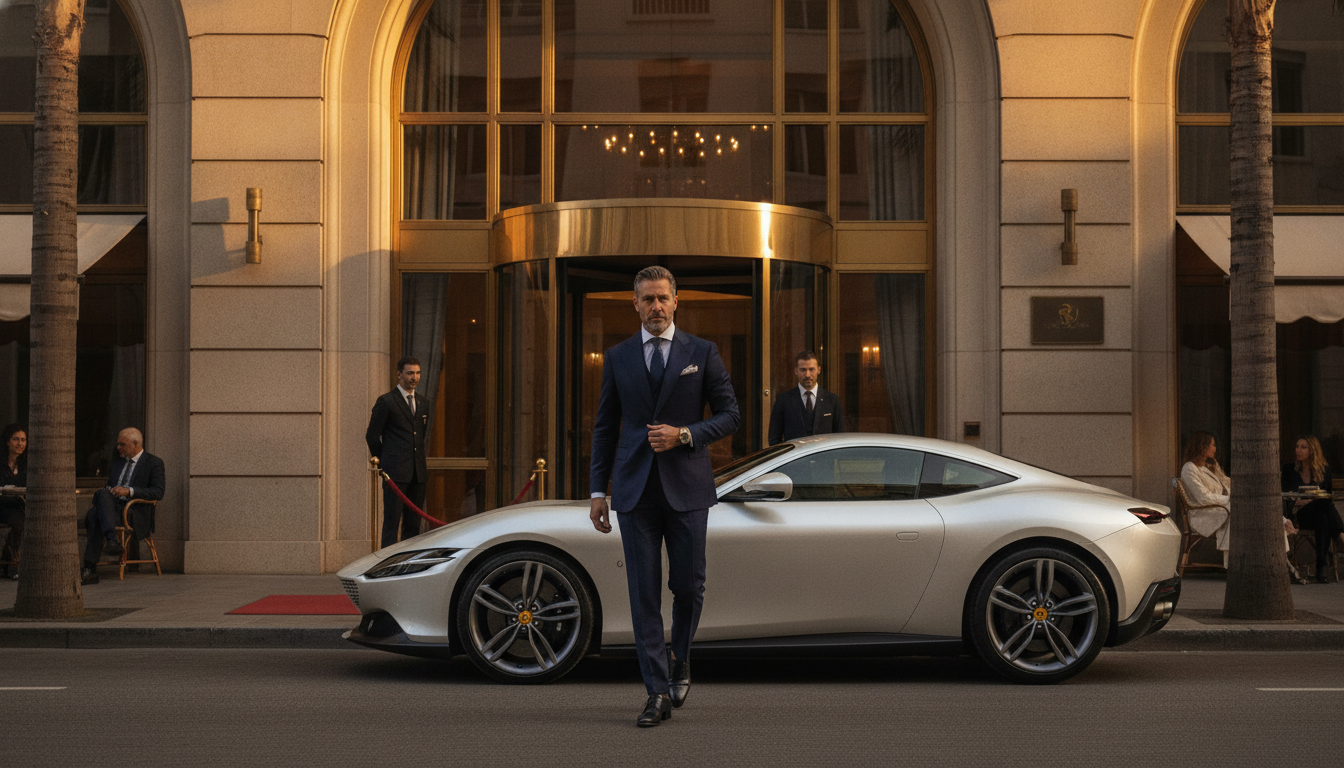
Walking into a board meeting in a perfectly fitted suit generates the same confidence boost as launching a 911 Turbo S from a stoplight. Both signal competence, attention to detail, and unwillingness to accept mediocrity. I've watched colleagues in ill-fitting department store suits unconsciously tug at sleeves and adjust collars during presentations, their discomfort visible to everyone in the room.
People treat you differently when your presentation matches your vehicle. The host at Masa in New York seats well-dressed guests more promptly, sommeliers spend more time on wine recommendations, and valets handle cars with additional care when the owner projects authority through appearance. These advantages compound over time, creating access and opportunities unavailable to men who ignore presentation standards.
MySugardaddy members understand this dynamic instinctively. The platform attracts successful men who recognize that personal presentation amplifies professional achievements, and that bespoke menswear serves as a force multiplier in social and romantic contexts. A properly tailored wardrobe signals the same standards of excellence that guide your automotive choices, creating consistency across all aspects of lifestyle.
Common Mistakes That Undermine Even Expensive Suits
The worst error I see is over-accessorizing. A pocket square, tie, and watch should be sufficient, adding lapel pins or tie bars creates visual clutter that distracts from the suit's lines. This restraint mirrors how the best sports cars avoid unnecessary styling elements, letting fundamental proportions and surfaces speak for themselves.
Improper shoe pairing destroys even perfect tailoring. Black cap-toe oxfords from John Lobb or Edward Green represent the minimum standard for business suits, while brown suede derbies work with casual navy blazers and odd trousers. Square-toed shoes, thick rubber soles, or sneakers with tailored suits signal confusion about dress codes as clearly as aftermarket body kits on a Porsche GT car.
Ignoring seasonal appropriateness shows poor judgment. Wearing heavy flannel in July or lightweight tropical wool in January demonstrates the same lack of awareness as driving on summer performance tires through a snowstorm. Climate-appropriate fabric selection proves you understand context and plan accordingly.
Why This Investment Pays Long-Term Dividends
A bespoke wardrobe built over five years costs roughly the same as a well-optioned 911 Carrera S, approximately 135,000 to 180,000 dollars for twenty custom suits, shirts, and outerwear. This expenditure feels excessive until you calculate cost per wear over a decade and factor in the doors it opens professionally and socially.
The suits I ordered in 2015 still fit perfectly because weight fluctuations of 5 pounds don't affect bespoke tailoring's forgiveness. Ready-to-wear suits require replacement after similar weight changes, creating ongoing costs that exceed initial bespoke investment. This durability mirrors how a properly maintained sports car appreciates rather than depreciates, particularly limited production models kept in excellent condition.
Professional opportunities increase measurably when your presentation signals success. I've secured two major consulting contracts specifically because clients mentioned my "attention to detail" during initial meetings, a comment that referenced both my research preparation and appearance. The tailored suits created credibility that accelerated trust-building, shortening the sales cycle by an estimated three weeks per engagement.
Frequently Asked Questions
What makes tailored suits worth the investment compared to ready-to-wear options?
Tailored suits fit your exact body measurements and proportions, eliminating the compromises inherent in standardized sizing. A bespoke jacket from a competent tailor will have sleeves that hit precisely at your wrist bone, shoulders that align with your natural shoulder point within 2 millimeters, and a waist suppression that follows your actual torso shape. This precision creates cleaner lines, more comfortable movement, and longer garment life because stress points don't develop from poor fit. Ready-to-wear suits require extensive alterations to approach this level of fit, often costing 400 to 800 dollars on top of the purchase price, while still falling short of true bespoke construction quality.
How many suits does a successful professional actually need?
Five to seven core suits provide sufficient rotation for most business contexts while allowing proper rest between wearings. I recommend two charcoal suits, two navy suits in different weights or textures, one mid-gray, one pinstripe, and one warm-weather option in tan or light gray. This rotation ensures you wear each suit roughly once every two weeks, preventing excessive wear while maintaining wardrobe variety. Men who travel frequently or attend daily business meetings benefit from expanding to ten suits, though quality matters more than quantity at every budget level.
Which fabric weight works best for year-round wear?
Super 120s or Super 130s worsted wool in 280 to 310 grams per meter handles most climates effectively throughout the year. This weight range provides enough substance to drape properly and resist wrinkling while remaining light enough for summer wear with proper ventilation. I specify this weight for 60% of my suits, adding heavier 340-gram flannels for winter and lighter 240-gram tropical wools for extreme heat. The versatility of mid-weight worsted makes it the smart foundation choice when building a core wardrobe, functioning like an all-season tire compound that performs adequately in varied conditions.
How long should a properly constructed bespoke suit last?
A well-made bespoke suit maintained properly lasts 15 to 25 years with regular wear, often longer with light use. My oldest Huntsman suit is now 11 years old, worn approximately 40 times per year, and shows minimal wear beyond slight fading in sun-exposed areas. The hand-stitched construction allows for repairs and alterations impossible with fused ready-to-wear garments, extending usable life significantly. Proper rotation, brushing after each wear, minimal dry cleaning, and climate-controlled storage maximize longevity, similar to how elite achievers maintain manual transmission sports cars through preventive care rather than reactive repairs.
Should suit style match your car's design language?
Suit style should reflect your personal aesthetic and professional context rather than directly mirroring automotive design. However, the same principles of proportion, restraint, and quality that guide sports car selection should inform wardrobe choices. If you favor understated, classically proportioned vehicles like a Porsche 911 or Aston Martin DB11, traditional British tailoring from Savile Row aligns with that sensibility. Men who prefer more expressive Italian exotics might gravitate toward softer Neapolitan tailoring with higher armholes and lighter construction. The connection lies in consistent standards and attention to detail across all purchases, not literal style matching.
Your Next Steps Toward Sartorial Excellence
Book consultations with three different tailors before committing to your first bespoke commission. Most established houses offer initial meetings without obligation, allowing you to assess their house style, communication approach, and fabric selection. I spent two months visiting London tailors before selecting Anderson & Sheppard, the same deliberation I apply when configuring a new sports car.
Start with one versatile suit rather than ordering multiple garments immediately. A charcoal or navy suit in year-round weight wool allows you to experience the fitting process, assess the tailor's work quality, and refine your preferences before expanding your wardrobe. This measured approach mirrors how I recommend drivers experience a base Carrera before ordering a GT3, building knowledge through direct experience.
The parallel between bespoke menswear and high-performance coupes extends beyond surface aesthetics into fundamental philosophy about quality, craftsmanship, and the compound returns of proper investment. Both domains reward patience, research, and unwillingness to compromise, delivering measurable advantages that accumulate over decades. Your wardrobe deserves the same standards you apply in your garage, because both shape how the world perceives and responds to you.