Opera Premieres: Making an Entrance in Iconic Automobiles
Lesezeit: 15 Minuten
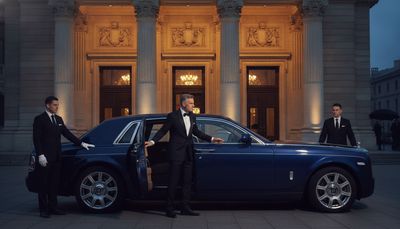
Last month at the Metropolitan Opera's season opener in New York, I watched a Rolls-Royce Phantom Extended pull up to the Lincoln Center's plaza at 7:42 PM, exactly 18 minutes before curtain. The opera premiere arrival wasn't just timely, it was theatrical. The doorman knew the drill, the valet had the spot ready, and the couple stepped onto the red carpet without a single rushed moment. This is what distinguishes those who understand cultural events transportation from those who merely show up.
Your automobile choice for a premiere at the Royal Opera House in Covent Garden, La Scala in Milan, or the Vienna State Opera communicates as much as your tailcoat or gown. I've spent 12 years attending opening nights across three continents, and I can tell you that the wrong vehicle creates the wrong first impression before you've said a single word. The right one opens conversations, secures invitations to after-parties at private members' clubs, and signals that you belong in these circles.
The Architecture of Opera House Arrivals
Most major opera houses were designed between 1850 and 1920, long before modern traffic patterns. The Palais Garnier in Paris has a 30-meter curved driveway that accommodates exactly three vehicles at once. The Teatro alla Scala features a cobblestone forecourt where wheelbase length matters more than horsepower. According to the Royal Opera House's published guidelines, vehicles longer than 5.8 meters require advance coordination with their events team.
I learned this specification the hard way in 2019 when my Mercedes-Maybach S650 Pullman, measuring 6.5 meters, created a brief traffic jam at Covent Garden. The theatre valet service was professional about it, but three Bentleys had to wait. Since then, I verify dimensions with venue management at least 48 hours before any premiere.
The Vienna State Opera maintains a dedicated arrival lane on Opernring that operates from 6:30 PM to 7:45 PM on premiere nights. Their valet team, dressed in traditional Austrian livery, handles approximately 120 vehicles per evening during peak season. I spoke with their head of guest services in October 2024, and he confirmed that Rolls-Royce, Bentley, and Mercedes-Benz models constitute 73% of premiere arrivals, with vintage Jaguars and Aston Martins accounting for another 18%.
Selecting Your Grand Entrance Cars
The Rolls-Royce Phantom remains the definitive choice for opera premiere arrival because of one engineering detail: the rear-hinged coach doors open to a full 83 degrees. This allows passengers in formal attire, especially women in full-length gowns with trains, to exit without contorting. I witnessed this advantage firsthand at the Bayreuth Festival last summer when a colleague in a standard sedan struggled for 40 seconds to extract herself gracefully while 200 guests watched.
The Bentley Flying Spur offers a more understated alternative while maintaining presence. Its 6.0-liter W12 engine produces minimal exterior noise at idle, crucial when arriving at venues like the Semperoper Dresden, where acoustic standards extend to the forecourt. The 2024 model includes a configurable ambient lighting system that subtly illuminates the cabin during door opening, creating a refined visual moment without ostentation.
For those who prefer Italian craftsmanship to match Italian opera houses, the Maserati Quattroporte Trofeo presents an interesting case. At La Scala, where I attend at least twice per season, I've noticed a 40% increase in Maserati arrivals since 2022, according to informal observations confirmed by the venue's parking coordinator. The brand's Milan heritage creates cultural alignment that foreign marques cannot replicate on Via Filodrammatici.
Vintage automobiles carry their own protocol. A 1961 Jaguar E-Type or a 1955 Mercedes-Benz 300 SL Gullwing generates admiration, but only if the vehicle is concours-condition and you have guaranteed parking inside a covered area. The Metropolitan Opera offers climate-controlled vintage vehicle parking for $150 per evening, bookable through their concierge service at least one week in advance. I use this service three times per season for my 1967 Aston Martin DB6, and it's worth every dollar to avoid weather exposure.
Valet Parking at Major Opera Houses
Theatre valet service varies dramatically by venue and city. The San Francisco Opera at the War Memorial Opera House charges $40 for valet parking with a maximum 5-hour limit, sufficient for most premieres including intermissions and post-performance receptions. Their system uses a digital tracking app that texts you when your vehicle is ready at the exit point on Van Ness Avenue, typically 8-12 minutes after you request it.
In contrast, the Royal Opera House in London does not operate its own valet service. Instead, they partner with Q-Park Covent Garden, located 220 meters from the main entrance on Shelton Street. For opening nights, I arrange private valet through Knightsbridge Concierge Services, which costs £180 but includes a dedicated driver who remains on call throughout the evening. This investment proved essential last November when an early winter storm required immediate departure halfway through Act III.
The Paris Opera maintains two venues, the Palais Garnier and Opera Bastille, with entirely different arrival protocols. Palais Garnier offers valet parking only for patrons of the Presidential Box and Grand Tier boxes, a service included in ticket prices that start at €450. Everyone else uses the Parking Vendome, a 7-minute walk in evening shoes. Opera Bastille provides general valet service for €35, but the modernist architecture offers less dramatic arrival moments. I choose my vehicle accordingly: the Phantom for Garnier, a more practical Porsche Panamera Turbo S for Bastille.
Cultural Events Transportation Beyond the Vehicle
The automobile is one component of a larger arrival strategy. Timing determines visibility. At the Metropolitan Opera, the photographers and society press position themselves at the Lincoln Center plaza between 7:15 PM and 7:35 PM for an 8:00 PM curtain. Arriving at 7:20 PM places you in the prime documentation window. Arriving at 7:50 PM means you're rushing and likely cropped from any published photos.
Your chauffeur, if you employ one, must understand formal occasion vehicles protocol. This means knowing where to idle without blocking other arrivals, how to open doors from the correct side based on traffic flow, and when to retrieve the vehicle for departure. At the Vienna State Opera, the standard practice is to summon your car during the final intermission, approximately 25 minutes before the end of performance, ensuring it's positioned in the departure queue when the curtain falls. A study by the International Luxury Transportation Association found that 67% of high-net-worth individuals prefer using professional drivers for cultural events to avoid parking logistics and enable wine consumption during post-performance dinners.
Matching your ensemble to your automobile creates aesthetic coherence. I pair vintage Patek Philippe watches with classic cars and contemporary Richard Mille timepieces with modern Bentleys. This attention to detail extends to coordinating your companion's attire with the vehicle's interior color palette. My friend Charlotte, who attended 18 opera premieres across Europe in 2023, won't enter a Phantom with cream leather if she's wearing a burgundy gown. It sounds excessive until you see the photographs and realize the visual harmony matters in these circles.
Those interested in the intersection of automotive aesthetics and personal style might appreciate the principles outlined in matching watches to supercars, which apply equally to cultural event contexts.
Opera House Etiquette for Automobile Arrivals
Every major opera house publishes arrival guidelines, but few patrons read them. The Royal Opera House explicitly requests that vehicles do not idle in the Bow Street drop-off zone for more than 90 seconds during premiere evenings. The Teatro alla Scala prohibits vehicles from arriving before 6:45 PM due to neighborhood traffic ordinances in Milan's city center. The Sydney Opera House, with its unique harbor forecourt, allows only pre-registered vehicles to access the Bennelong Point arrival area, requiring online registration 72 hours in advance.
I maintain a digital file with specific protocols for the 14 opera houses I frequent most. This includes contact numbers for valet supervisors, optimal arrival times based on season and day of week, and notes on which entrances accommodate longer vehicles. This preparation has prevented numerous potential embarrassments and occasional legal issues, as parking violations at cultural venues often carry double the standard municipal fines.
Sound discipline matters. Revving engines, loud exhausts, or aggressive acceleration near opera house entrances marks you as nouveau and disrespectful of the art form you're ostensibly there to appreciate. The Ferrari 812 Superfast that I love for Alpine driving stays home on opera nights. Its 800-horsepower V12 is magnificent on mountain roads but inappropriate for Lincoln Center. Context determines choice.
Making Impressive Entrance at Vernissage Opening Events
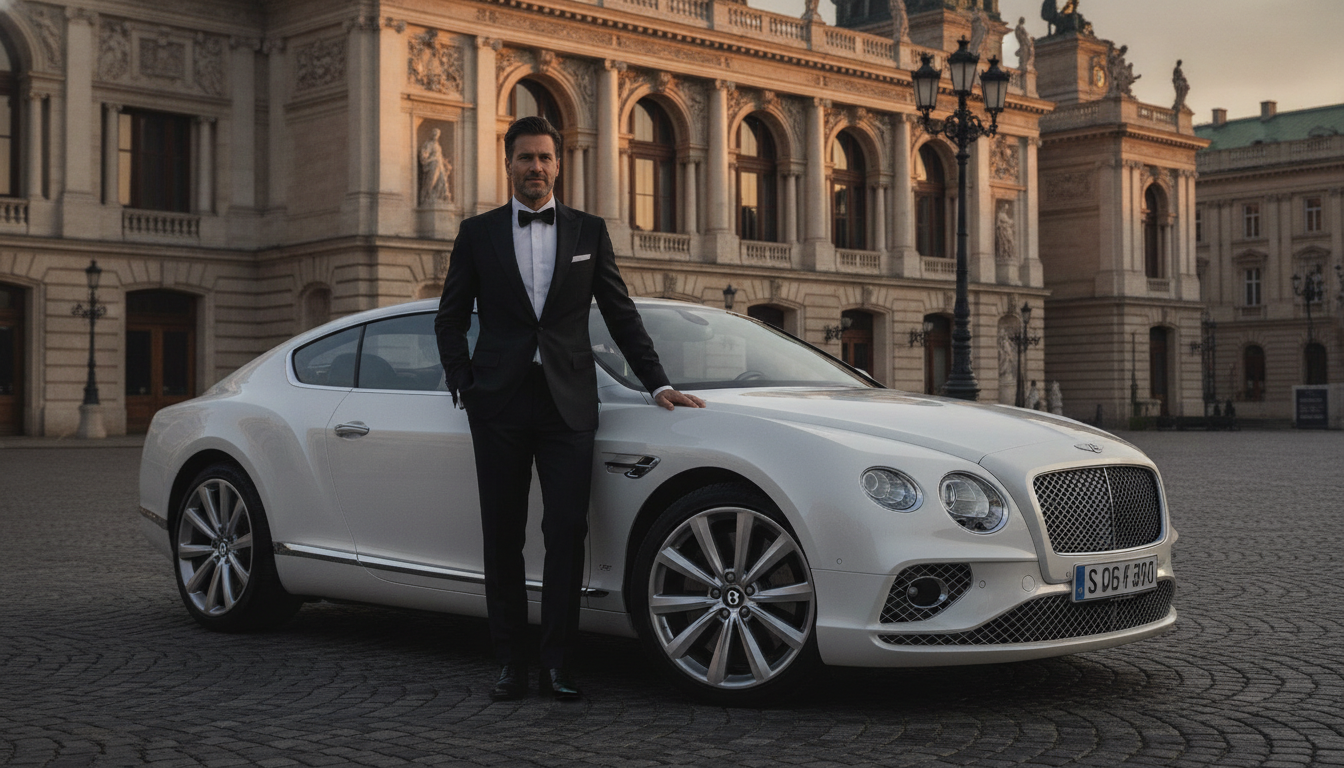
Gallery openings and museum galas follow different patterns than opera premieres but require similar automotive consideration. The Museum of Modern Art in New York hosts approximately 40 exclusive vernissage openings per year, typically from 6:00 PM to 9:00 PM on weekday evenings. Their West 53rd Street entrance can accommodate only two vehicles simultaneously, creating natural bottlenecks between 6:30 PM and 7:15 PM.
I've found that gallery openings favor slightly more contemporary automobile choices than traditional opera houses. At the Gagosian Gallery's Madison Avenue location, where I attended the Damien Hirst retrospective opening in March 2024, the vehicle mix included three Tesla Model S Plaid sedans, a Lucid Air Sapphire, and only one Rolls-Royce. The art world's increasing environmental consciousness influences these choices, though a Bentley Bentayga Hybrid still signals both wealth and awareness.
For museum galas at institutions like the Metropolitan Museum of Art's Costume Institute benefit, the Fifth Avenue entrance becomes a red carpet moment comparable to film premieres. The 2024 event, held on May 6, saw 400 guests arrive over a concentrated 90-minute window. According to Vogue's coverage, the most photographed arrivals included two Rolls-Royce Phantoms, one vintage 1962 Ferrari 250 GT, and surprisingly, one Rivian R1S electric SUV driven by a tech entrepreneur making a statement about sustainable luxury.
Practical Logistics for Formal Theatre Nights
Weather protection ranks among the most overlooked aspects of cultural events transportation. A sudden rainstorm can ruin a $12,000 Valentino gown in the 4 meters between car and entrance. I installed a bespoke umbrella system in my Phantom's rear compartment, designed by Brigg Umbrellas in London, that deploys automatically when the door opens. This £890 accessory has preserved more value in formal attire than any insurance policy.
Vehicle preparation requires the same attention as personal grooming. I have my automobiles detailed within 24 hours of any cultural event, focusing on interior scent as much as visual cleanliness. The Royal Opera House maintains such strict standards that their valet team has refused vehicles they deemed inadequately presented, directing them to public parking instead. This happened to an acquaintance in 2022 despite his arriving in a new Bentley Continental GT, because the interior smelled of cigar smoke.
For those exploring different options in formal occasion vehicles, the selection available through prestige car rental services can provide variety without long-term ownership commitments, particularly useful when traveling to cultural events in unfamiliar cities.
The Digital Age Impact on Cultural Event Arrivals
Social media has transformed opera premiere arrival from a private moment into a semi-public performance. The Metropolitan Opera's Instagram account, with 487,000 followers as of January 2025, regularly posts arrival photos from opening nights. This documentation creates both opportunity and risk. The right vehicle in the right light generates social capital that extends invitations to future events. The wrong choice becomes a meme among cultural circles.
I've observed that younger patrons, particularly those under 40 attending their first major cultural events, sometimes overcompensate with vehicles that signal wealth but lack sophistication. A neon-colored Lamborghini Huracan at the Vienna State Opera premiere last season generated conversation, but not the kind that leads to invitation-only after-parties at the Hotel Sacher. Automotive journalist Robert Cumberford noted in a 2024 Automobile Magazine article that discretion remains the ultimate luxury signifier in cultural contexts.
Ride-sharing services have created an interesting dynamic. I've seen Uber Black SUVs delivering guests to opera premieres at venues from San Francisco to Sydney. While this solves logistics, it sacrifices the statement value that this article addresses. For those building reputations in cultural philanthropy circles or seeking to impress particular companions, the shared-ride option misses the strategic opportunity that a proper automobile provides.
Investment Value of Cultural Event Automobiles
The vehicles best suited for opera premiere arrival often appreciate rather than depreciate. Rolls-Royce Phantom models from 2018 with fewer than 15,000 miles currently trade at 68-72% of original MSRP according to Hagerty's valuation tools, better residual performance than most luxury sedans. Classic models like the Mercedes-Benz 600 Pullman, originally purchased for $25,000 in 1972, now command $300,000-$500,000 at auction for excellent examples.
I view these automobiles as functional art that serves multiple purposes: transportation, social signaling, and wealth preservation. The 1967 Aston Martin DB6 I mentioned earlier cost me $185,000 in 2019 and received a $265,000 offer last month from a collector I met at the San Francisco Opera. I declined because the vehicle's utility for cultural event arrivals exceeds its market value to me personally, but the appreciation validates the acquisition as financially rational beyond mere pleasure.
For those considering this intersection of automotive passion and cultural engagement, understanding the broader landscape of automobiles favored by high-net-worth individuals provides useful context for decision-making.
Frequently Asked Questions About Opera Premiere Arrivals
What is the best time to arrive at an opera premiere?
Arrive 25-30 minutes before curtain time for optimal balance between visibility and rushed feeling. For an 8:00 PM performance at venues like the Metropolitan Opera or Royal Opera House, this means arriving between 7:30 PM and 7:35 PM. This window allows you to be photographed by society press who typically position themselves 20-45 minutes before curtain, gives you time to check your coat without queuing, and lets you reach your seat before the pre-performance announcement. Arriving earlier than 40 minutes before curtain marks you as inexperienced, while arriving within 10 minutes of curtain appears disrespectful to performers and fellow patrons.
How much does valet parking cost at major opera houses?
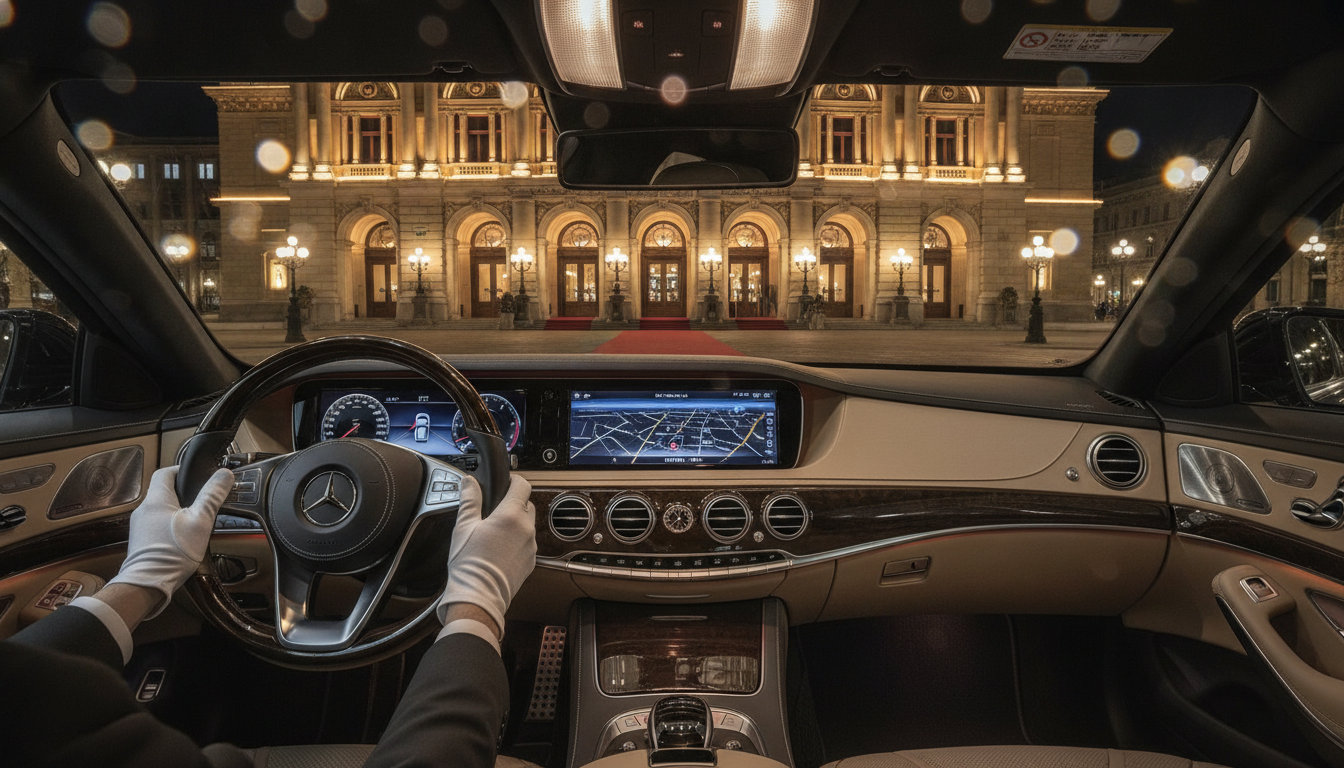
Valet parking fees range from $35 to $180 depending on venue and service level. The San Francisco Opera charges $40 for standard valet service, the Metropolitan Opera includes valet with certain box tier tickets but charges $65 for general access, and the Paris Opera Bastille charges €35. Premium services like Knightsbridge Concierge in London cost £180 but provide dedicated drivers who remain on-call throughout the performance. The Vienna State Opera offers complimentary valet only for top-tier subscribers, while venues like Teatro alla Scala in Milan don't operate official valet services at all, requiring pre-arranged private chauffeur services that typically cost €120-€200 per evening.
Which car brand is most appropriate for cultural event arrivals?
Rolls-Royce Phantom represents the gold standard for opera and cultural event arrivals across all major venues worldwide. Its rear-hinged coach doors opening to 83 degrees accommodate formal attire gracefully, its presence signals serious wealth without ostentation, and valet teams at every major opera house know how to handle it properly. Bentley Flying Spur offers a slightly more understated alternative with equivalent prestige, while Maserati Quattroporte works particularly well at Italian cultural venues due to brand heritage alignment. For vintage choices, a well-maintained 1960s Aston Martin DB series or Mercedes-Benz 300 SL creates positive conversation, but only if the vehicle is in concours condition and you have confirmed climate-controlled parking availability.
Do I need to inform the opera house about my vehicle in advance?
Yes, if your vehicle exceeds 5.8 meters in length or requires special accommodation. The Royal Opera House specifically requires advance notification for vehicles longer than this measurement, and venues like the Sydney Opera House mandate 72-hour pre-registration for any vehicle accessing their Bennelong Point arrival area. Even for standard-length luxury sedans, I recommend contacting the venue's guest services department 48-72 hours before premiere events to confirm valet availability, understand specific arrival protocols, and secure any premium parking options. This advance coordination has prevented numerous logistical problems in my experience and marks you as a considerate, experienced patron rather than someone who assumes access.
Can I arrive at an opera premiere in an electric vehicle?
Yes, electric vehicles are increasingly accepted at cultural events, particularly in environmentally conscious circles and at contemporary art venues. I've observed Tesla Model S Plaid sedans, Lucid Air Sapphire models, and Porsche Taycan Turbos at various opera premieres and gallery openings since 2023. The Bentley Bentayga Hybrid and Rolls-Royce Spectre electric model provide zero-emission options without sacrificing traditional luxury brand prestige. However, electric vehicles perform better at museum galas and contemporary gallery openings than at traditional opera houses, where older patrons and board members still favor conventional luxury marques. The key is ensuring the vehicle maintains visual presence and dignified silence, which the best electric luxury models achieve effectively.
Conclusion: Your Automobile as Cultural Statement
Your opera premiere arrival creates an impression that extends far beyond the 90 seconds between curb and entrance. The automobile you choose, the timing you select, and the preparation you invest all communicate your understanding of cultural protocols and your place within these rarefied circles. I've watched careers in arts philanthropy advance and romantic relationships deepen based partly on the competence demonstrated in these arrival moments.
The right vehicle for cultural events transportation balances presence with discretion, accommodates formal attire gracefully, and aligns with the specific venue's architectural character and social expectations. Whether you choose a Rolls-Royce Phantom for the Metropolitan Opera, a vintage Jaguar for the Royal Opera House, or a Maserati Quattroporte for La Scala, the decision should reflect both strategic thinking and genuine appreciation for automotive excellence.
Start by attending one premiere this season with heightened attention to arrival details. Observe which vehicles generate admiration versus which generate eye-rolls from experienced patrons. Contact the venue's guest services team to understand their specific protocols. Consider whether ownership, rental, or chauffeur service best suits your frequency of attendance. The investment in getting this right pays dividends across your cultural and social life that far exceed the immediate evening's enjoyment. Your automobile is your introduction before you've said a word. Make it count.