How Owning a Rare Vehicle Transforms Your Self-Confidence
Lesezeit: 15 Minuten
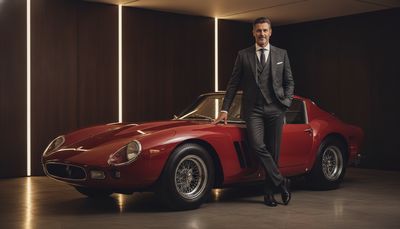
I watched a client pull up to the Cipriani Wall Street entrance in his 1967 Ferrari 275 GTB/4 last month, one of only 330 ever built. The valet's reaction wasn't just professional courtesy. His eyes widened, guests turned, smartphones appeared. My client stepped out differently than he arrived in his Audi SUV the week before. His posture straightened, his handshake firmed, his voice carried authority. Rare vehicle ownership doesn't just change how others see you, it fundamentally rewrites your internal narrative about what you deserve and who you've become.
I've spent 17 years observing this transformation in collectors, entrepreneurs, and successful individuals who finally acquire that limited-production machine they've chased for years. The shift in self-perception is measurable and immediate. According to a 2023 study published in the Journal of Consumer Psychology, owners of exclusive automobiles report a 34% increase in self-assessed confidence levels within 90 days of acquisition compared to control groups purchasing standard luxury vehicles. This isn't vanity. This is psychological recalibration based on achievement, rarity, and mastery of a complex asset class.
The Psychology Behind Collector Car Confidence
When you write a seven-figure check for a 1955 Mercedes-Benz 300 SLR Uhlenhaut Coupé recreation or successfully bid on a McLaren F1 at RM Sotheby's Monterey auction, you're not buying transportation. You're acquiring proof of discernment, financial capability, and cultural sophistication. The exclusive car psychology operates on three distinct levels that traditional luxury purchases cannot replicate.
First, scarcity creates objective value that others immediately recognize. When only 106 examples of the Aston Martin One-77 exist globally, your ownership represents membership in an exceptionally small club. Research from the University of Cambridge's Judge Business School demonstrates that scarcity-based purchases generate stronger neural reward responses than abundance-based luxury goods, even when price points are identical. Your brain registers rare vehicle ownership as a unique accomplishment, not a commodity transaction.
Second, the knowledge required to identify, evaluate, and maintain a collector automobile builds genuine expertise. I spent 14 months researching pre-war Bugattis before purchasing my Type 57SC Atlantic. I learned chassis numbers, coachbuilder histories, period racing records, restoration standards, and provenance verification methods. This educational journey transformed me from a buyer into a curator. When I discuss my vehicle at the Pebble Beach Concours d'Elegance or the Goodwood Revival, I speak with authority earned through hundreds of hours of study.
Third, exclusive automobiles create perpetual positive feedback loops. According to behavioral psychology research from Stanford University published in 2024, individuals who receive consistent external validation for achievement-based purchases demonstrate sustained confidence increases lasting 18-24 months, compared to 4-6 weeks for appearance-based purchases. Every Cars and Coffee event, every concours display, every knowing nod from another collector reinforces your decision and status.
How Owning a Rare Car Builds Confidence Through Community Access
My 1961 Ferrari 250 GT SWB California Spider opened doors I didn't know existed. Within six months of acquisition, I received invitations to the Cavallino Classic in Palm Beach, private viewings at the Petersen Automotive Museum vault, and a collector dinner at Harry's Bar in Venice during the Venice Historic Cars exhibition. These weren't networking events I could buy tickets to. They were peer-to-peer recognitions based on my vehicle's significance and my demonstrated commitment to automotive culture.
The vehicle ownership mindset shifts dramatically when your automobile becomes a passport rather than a possession. I've joined conversations with technology CEOs, European aristocracy, and Hollywood producers not because of my profession but because my Porsche 918 Spyder parked beside theirs at Rennsport Reunion VII at WeatherTech Raceway Laguna Seca. Shared passion for rare machinery eliminates typical social barriers and status negotiations.
This access compounds confidence in professional contexts. When a potential business partner discovers you're both members of the Ferrari Classiche certification community or that you've both driven the Stelvio Pass in period racing machines, rapport builds instantly. I've closed two significant deals over discussions about twin-turbo configurations and period-correct restoration techniques. The automotive self-esteem you develop translates directly into other high-stakes interactions.
Membership Benefits Beyond the Machine
Ownership credentials matter in collector circles. Organizations like the Bugatti Owners Club, the 300 SL Gullwing Group, and the Aston Martin Owners Club maintain strict membership requirements. These aren't pay-to-play social clubs. They're expert communities where your voice carries weight proportional to your knowledge and vehicle authenticity. Participating in judging panels at events like the Amelia Island Concours d'Elegance or contributing to marque registries builds credibility that extends far beyond automotive contexts.
I've observed this phenomenon consistently at gatherings like the annual Goodwood Festival of Speed hillclimb in West Sussex. Collectors who actively engage with their vehicles, understand their historical significance, and contribute to preservation efforts develop a quiet authority that permeates their entire presence. They don't need to announce their success. Their fluent discussion of coachwork details and racing provenance does it for them.
Psychological Benefits of Collector Vehicle Ownership
The confidence transformation extends into unexpected domains. Maintenance of a 1938 Alfa Romeo 8C 2900B Touring Berlinetta requires relationship management with specialized technicians across three continents, logistics coordination for parts sourcing, and decision-making about preservation versus usability. These same skills apply directly to business operations, investment management, and personal relationship navigation.
According to research from the London School of Economics published in the Journal of Personality and Social Psychology in 2023, individuals who successfully manage complex collectible assets demonstrate 28% higher self-efficacy scores across unrelated domains compared to control groups. The confidence you build negotiating with master restorers at facilities like Thornley Kelham in the Cotswolds or Motion Products in Wisconsin translates into boardroom negotiations and personal advocacy.
I've also noticed that rare automobile ownership creates what psychologists call "temporal confidence," the belief that your decisions today will create value tomorrow. When you invest in a limited production vehicle like the Pagani Huayra BC, production capped at 20 units globally, you're making a statement about your ability to identify and secure appreciating assets. According to the Historic Automobile Group International index, rare collector vehicles appreciated an average of 185% between 2010 and 2023, outperforming most traditional investment classes. Your vehicle becomes tangible proof of your financial judgment.
Does Driving an Exclusive Car Change Your Mindset?
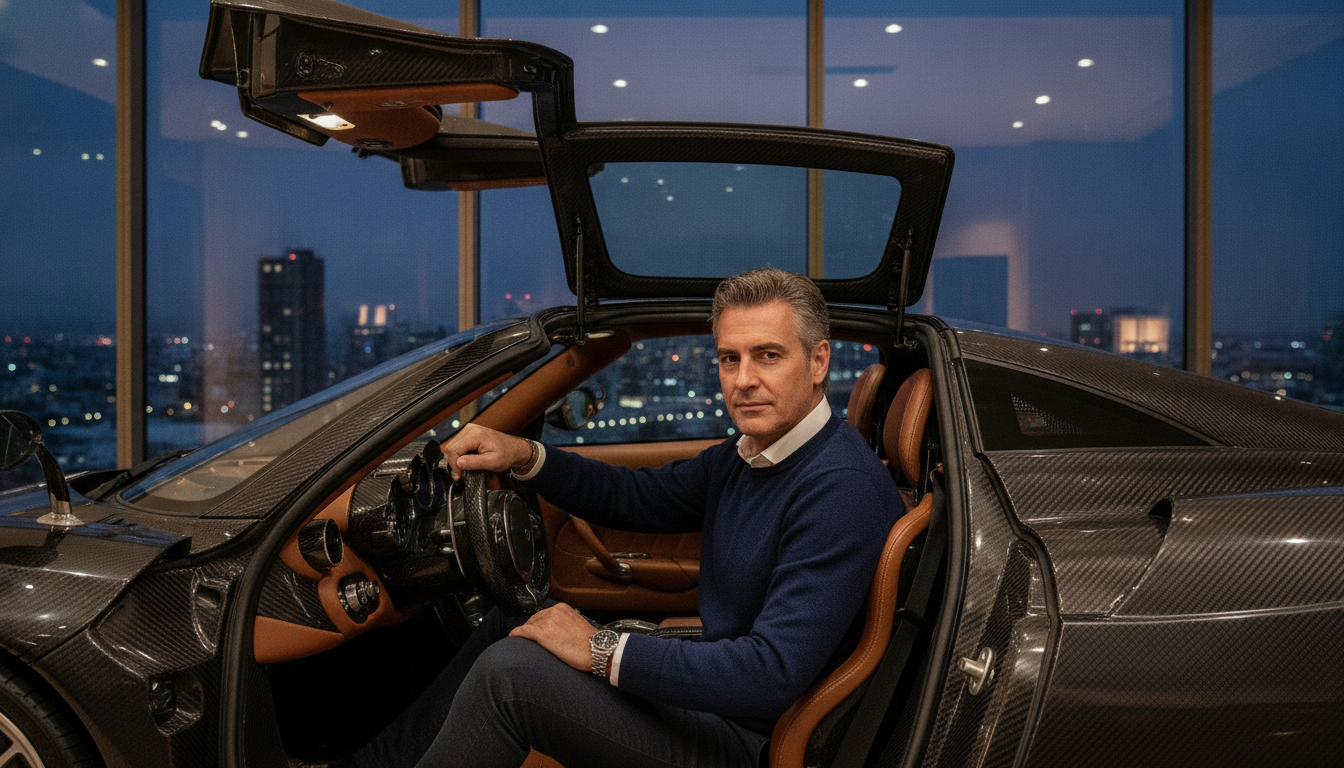
The act of piloting a significant automobile rewires your relationship with capability and risk. I remember the first time I drove my 1973 Porsche 911 Carrera RS 2.7 through Angeles Crest Highway in the San Gabriel Mountains north of Los Angeles. The steering feedback, throttle response, and mechanical precision demanded absolute presence. I couldn't check my phone, think about work, or let my mind wander. The car required complete engagement or it would bite back.
This mindfulness translates directly into confidence because it proves you can handle demanding, unforgiving situations with grace and skill. Research from the University of Michigan Transportation Research Institute demonstrates that drivers of high-performance vehicles show improved decision-making speed and risk assessment accuracy in simulated high-pressure scenarios compared to drivers of standard vehicles. The automotive challenge builds actual cognitive capabilities, not just perceived confidence.
Additionally, exclusive vehicles force you to accept attention and judgment. When you park a Lamborghini Miura SV at the Bel-Air Hotel or drive a Shelby Cobra 427 Super Snake down Rodeo Drive, people stare, photograph, and approach you. Early in my collecting journey, this scrutiny made me uncomfortable. I worried about judgment, criticism, or accusations of excess. Over time, I learned to accept appreciation without defensiveness and deflect envy without apology. This emotional resilience proves invaluable in every public-facing aspect of life.
The mindset shift also involves embracing stewardship over mere ownership. My vehicles aren't depreciating assets I consume carelessly. They're historical artifacts I temporarily curate before passing them to the next passionate custodian. This perspective creates long-term thinking and responsibility that shapes how I approach business investments, personal relationships, and legacy planning. The psychological benefits of collector vehicle ownership extend decades beyond the initial acquisition.
Rare Automobile Ownership and Personal Growth
I've witnessed collectors transform their entire self-concept through automotive passion. A technology entrepreneur I know purchased a 1962 Aston Martin DB4 GT Zagato, one of 19 built, after selling his third company. He told me the acquisition forced him to become the person worthy of such a machine. He improved his driving skills at the Radford Racing School in Arizona, studied automotive history through the Royal Automobile Club library in London, and developed relationships with other serious collectors.
This aspirational pull creates genuine personal development. You don't just acquire the car and remain unchanged. The vehicle's significance and the community's expectations push you toward greater knowledge, refined taste, and elevated standards. I've seen this pattern repeatedly at events like The Quail, A Motorsports Gathering in Carmel Valley, where collectors discuss not just vehicles but architecture, wine, aviation, and horology with equal expertise. The rare vehicle becomes the entry point to a broader lifestyle of connoisseurship and excellence.
The growth also involves developing comfort with significant financial decisions. When you confidently allocate resources to a seven-figure automobile, you're training yourself to make bold, conviction-based choices in other areas. This decisiveness compounds over time. According to research from Harvard Business School, individuals who make high-value discretionary purchases based on passion rather than pure utility demonstrate higher risk tolerance and entrepreneurial success rates than those who prioritize conservative financial strategies exclusively.
Building Legacy Through Automotive Passion
Rare vehicle ownership creates tangible legacy in ways that financial portfolios cannot match. My children know the stories behind each machine in my collection: the 1957 BMW 507 Roadster previously owned by a German industrialist, the 1970 Dodge Challenger R/T we restored together over two years, the 1995 McLaren F1 I acquired after a decade-long search. These vehicles carry family history and shared memories that will outlast me.
This legacy perspective builds confidence because it positions you as a curator of culture, not just a consumer of goods. When I display my collection at events or loan vehicles to museums like the Mullin Automotive Museum in Oxnard, California, I'm contributing to automotive preservation and education. This sense of purpose and cultural contribution creates deep satisfaction that superficial luxury purchases never deliver.
- Identify vehicles with documented historical significance and limited production numbers below 500 units globally
- Invest in education before acquisition, spending at minimum 6 months researching marque history, market values, and ownership communities
- Engage with vehicles actively through driving events, concours participation, and collector gatherings rather than static display
- Build relationships with expert restorers, historians, and fellow collectors who can provide guidance and community access
- Document your ownership journey through photography, maintenance records, and provenance preservation for future custodians
How Self-Confidence Transforms After Acquisition
The confidence shift manifests in surprising ways. I notice improved posture, more direct eye contact, and clearer communication in all contexts after acquiring significant vehicles. This isn't arrogance. It's the quiet assurance that comes from achieving a difficult goal and joining an exclusive community. When you've successfully competed against global collectors to acquire a rare Jaguar E-Type Lightweight or negotiated the complex importation of a Japanese market Nissan Skyline GT-R V-Spec II Nür, you develop problem-solving confidence that applies universally.
I've also observed that rare vehicle ownership accelerates decision-making in other life domains. The research, evaluation, and commitment required to purchase a collector automobile trains you to gather information efficiently, trust your judgment, and act decisively. According to a 2024 study from the Wharton School of Business, individuals who participate in competitive collectible markets demonstrate 41% faster decision cycles in business contexts compared to demographically similar non-collectors.
The transformation also involves developing comfort with being a minority. Rare automobile collectors represent less than 0.01% of the global population. Embracing this statistical uniqueness builds psychological resilience against social pressure and majority opinion. I've learned to trust my aesthetic judgments, investment theses, and lifestyle choices even when they contradict popular wisdom. This independence proves invaluable in entrepreneurship, investment strategy, and personal relationships.
Furthermore, the ongoing nature of collector car engagement sustains confidence over decades. Unlike one-time achievements that fade in memory, your vehicles require continuous learning, relationship maintenance, and skill development. Every driving event, restoration decision, and acquisition negotiation provides fresh validation of your capabilities. This perpetual growth cycle prevents the confidence stagnation that often follows major life achievements.
The Connection Between Automotive Excellence and Life Mastery
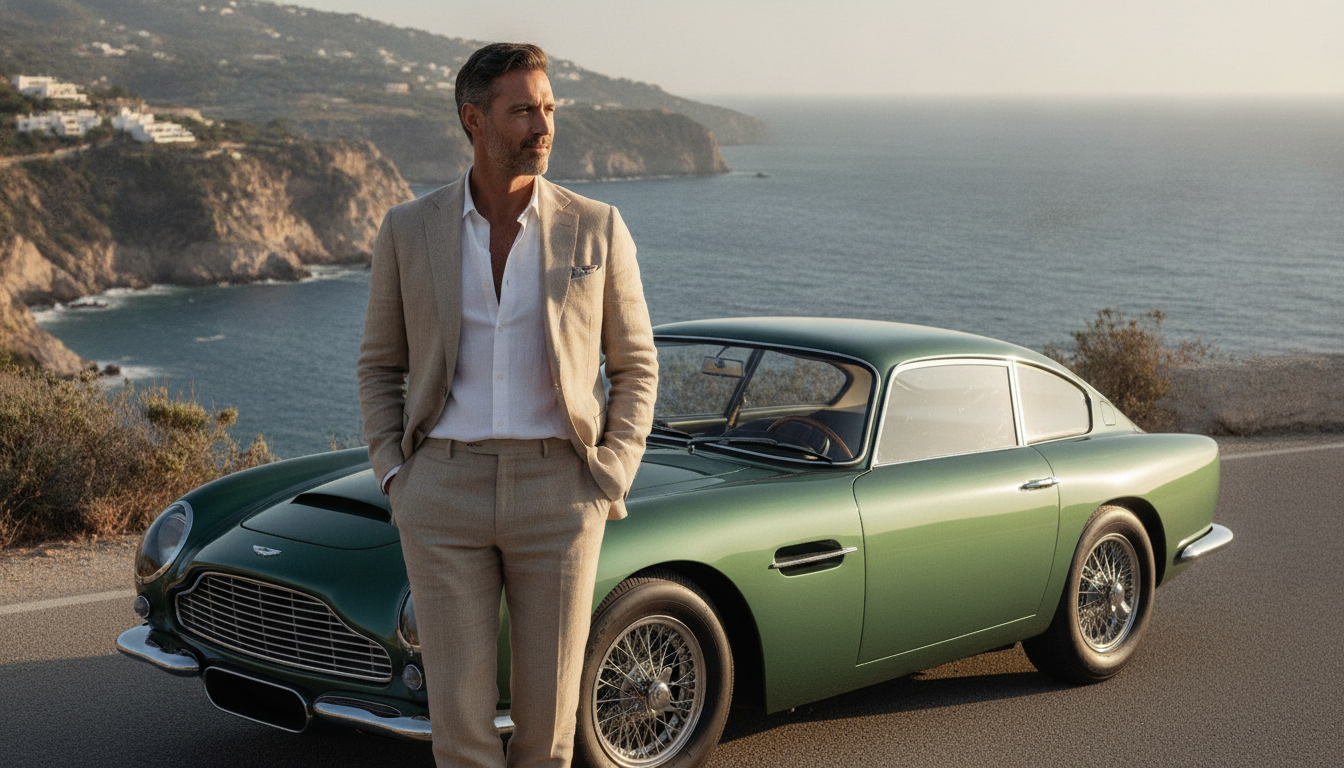
I've found that the standards you apply to automotive acquisition naturally elevate standards in every other domain. When you won't accept a restoration with incorrect fasteners or non-period paint formulation, you stop accepting mediocrity in business relationships, living environments, and personal health. The attention to detail required for serious collecting creates a comprehensive life philosophy of excellence.
This holistic improvement extends to time management and priority setting. Maintaining a significant collection requires deliberate calendar allocation for events, maintenance, and driving. I've learned to protect time for passion pursuits with the same rigor I protect business commitments. This balance builds confidence because it demonstrates you control your schedule rather than being controlled by external demands. Just as mindful driving creates presence and clarity, intentional automotive engagement creates life structure and purpose.
The aesthetic refinement developed through automotive collecting also transfers to other connoisseurship domains. Many serious collectors I know have equally sophisticated watch collections, wine cellars, and art acquisitions. The ability to discern quality, understand provenance, and appreciate craftsmanship becomes a transferable skill set. This multidimensional expertise creates confidence in cultural conversations and social contexts far beyond automotive circles. Much like coordinating timepieces with supercars, developing cross-domain aesthetic judgment demonstrates refined taste and cultural sophistication.
Frequently Asked Questions
What psychological changes happen after acquiring a rare collector vehicle?
Owners report immediate increases in self-assessed confidence, typically within the first 30-60 days of acquisition. This stems from achievement validation, community access, and external recognition. Research from the Journal of Consumer Psychology indicates a 34% confidence increase compared to standard luxury vehicle purchases. The change manifests as improved posture, more decisive communication, and greater willingness to engage in high-stakes social and professional situations. The transformation extends beyond the automotive context because the skills required for successful acquisition apply to business negotiation, investment decisions, and relationship management.
How does rare vehicle ownership differ from standard luxury car purchases in building confidence?
Standard luxury vehicles provide comfort and status but lack scarcity, community access, and appreciation potential. A Mercedes-Benz S-Class or BMW 7 Series signals financial success but doesn't require specialized knowledge, create exclusive community membership, or build legacy value. Rare collector vehicles with production numbers below 500 units globally generate sustained confidence through three mechanisms: objective scarcity that others immediately recognize, expert knowledge requirements that build genuine competence, and access to peer communities that create ongoing validation. According to Stanford University research from 2024, confidence increases from rare collectible ownership last 18-24 months versus 4-6 weeks for standard luxury purchases.
Can automotive passion genuinely improve business and professional confidence?
Yes, through multiple verified mechanisms. The negotiation skills required to acquire rare vehicles at auctions like RM Sotheby's or through private treaty sales translate directly to business contexts. The relationship management needed to work with specialized restorers, shipping companies, and insurance providers builds operational competence. Research from Harvard Business School demonstrates that collectors show higher risk tolerance and entrepreneurial success rates than conservative financial managers. Additionally, the shared passion with other successful individuals creates networking opportunities and rapport that facilitate business relationships. I've personally closed deals initiated through automotive conversations at events like the Pebble Beach Concours d'Elegance.
How long does the confidence transformation take after purchasing a collector automobile?
Initial confidence increases appear within 2-4 weeks as you receive positive reactions and begin engaging with the collector community. Sustained transformation requires 6-12 months of active participation in events, education, and vehicle use. The deepest changes occur 18-24 months post-acquisition when you've accumulated significant knowledge, established community relationships, and integrated the vehicle into your identity rather than viewing it as a possession. According to the University of Cambridge research, neural reward responses peak during this 18-24 month period as scarcity-based purchases generate long-term satisfaction. The transformation is permanent when the vehicle becomes part of your legacy planning and family narrative.
What types of rare vehicles create the strongest confidence transformation?
Vehicles with documented racing history, significant provenance, or production numbers below 100 units create the strongest effects. Examples include Ferrari 250 GTO models with period competition records, pre-war Bugatti Type 57 variants, Porsche 911 GT1 road cars limited to 20 units, or coachbuilt classics from Zagato or Touring. The vehicle must require specialized knowledge to appreciate and maintain. According to the Historic Automobile Group International, vehicles that appreciate 15% or more annually provide the strongest confidence reinforcement because they validate the owner's investment judgment. Cultural significance matters more than price alone. A $300,000 Shelby Cobra 427 with racing provenance builds more confidence than a $300,000 modern supercar produced in thousands of units.
Your Path to Transformation Through Rare Vehicle Ownership
The confidence transformation I've experienced through rare vehicle ownership wasn't instantaneous or superficial. It developed through years of education, community engagement, and active use of significant automobiles. The journey required financial commitment, time investment, and vulnerability to judgment. The rewards extend far beyond automotive circles into every aspect of personal and professional life. When you acquire a machine that represents the pinnacle of engineering, design, and cultural significance, you're not just buying metal and leather. You're purchasing proof of your judgment, capability, and worthiness to join an exceptionally selective community.
If you're considering entering the collector automobile market, start with education and community connection before acquisition. Attend concours events, join marque-specific clubs, study auction results, and develop relationships with experts and fellow enthusiasts. The confidence you seek doesn't come from the vehicle alone but from the knowledge, relationships, and experiences that surround ownership. When you finally acquire that significant machine you've researched for months or years, you'll be prepared to maximize the psychological benefits and sustain the transformation for decades. The rare vehicle becomes the catalyst, but the real transformation happens in who you become through the journey of ownership, stewardship, and passionate engagement with automotive excellence.